
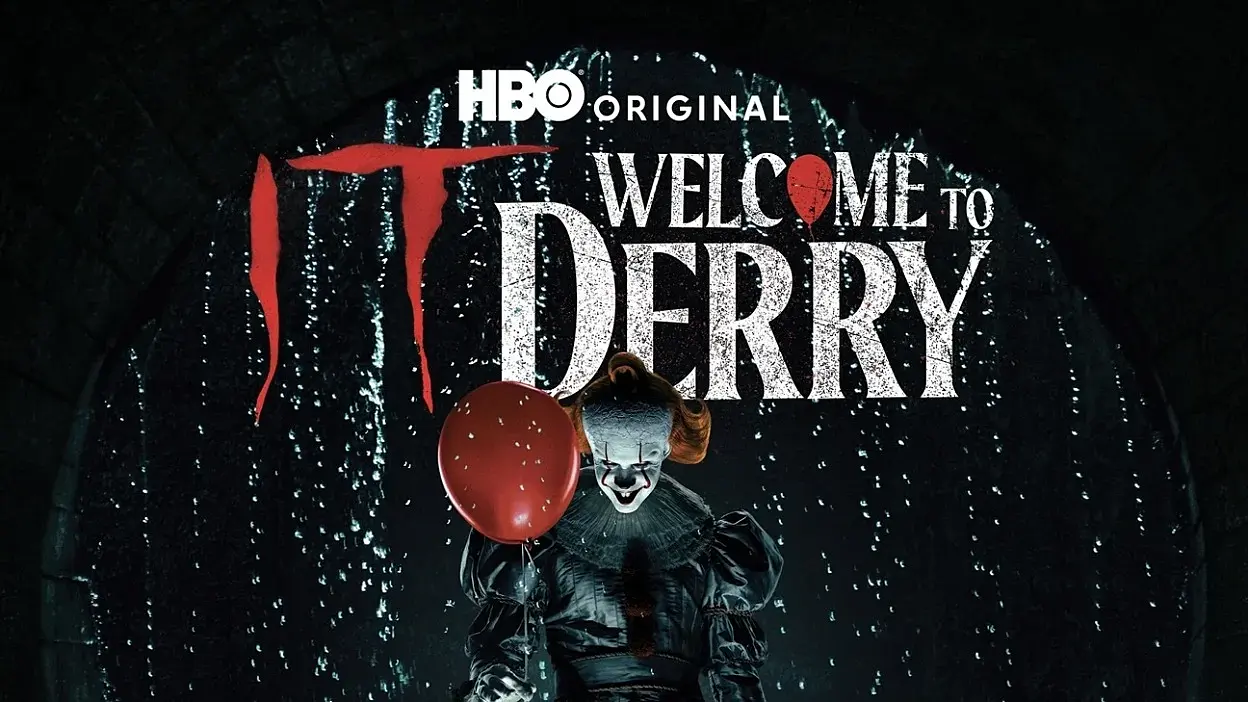
Gore aficionados will have a blast—this series dishes out wildly creative kills and blood-soaked imagery at every turn. And fans of King’s macabre horror and off-kilter supernatural lore will enjoy how aggressively it leans into his trademark style, delivering an unapologetic overload of homage.Starring: Bill Skarsgård, Taylour Paige, Jovan Adepo, James Remar, Amanda Christine, Clara Stack, Matilda Lawler, Blake Cameron James, Chris Chalk. Here's our detailed Welcome to Derry review.
Watch on: HBO MAX
Pennywise is back to terrorize another gang of outcast kids in the cursed town of Derry, Maine. In It: Welcome to Derry, we rewind to 1962 – exactly 27 years prior to the event of the first It movie, where Pennywise makes his cyclical return of havoc-wreaking and hate-filled murders around town.
A lot can be said about milking a franchise by giving it an extended prequel in the form of a series. I don’t blame anyone for feeling cynical – after all, Hollywood in the recent decade has shown its recklessness when it comes to spawning underwhelming sequels, prequels, spinoffs, and whatnot in an effort to exploit well-known IPs for profits. Certainly, It: Welcome to Derry rides on the back of a nostalgic factor for its original source material and the blockbuster success of the film adaptations. However, with the involvement of Andy Muschietti – who directed both the 2017 and 2019 films – the series is at least in good hands. Under Muschietti’s direction, the films brought to life the book’s bonkers tone in vivid depiction, all while streamlining some of the novel’s most disturbing ideas for general audiences.
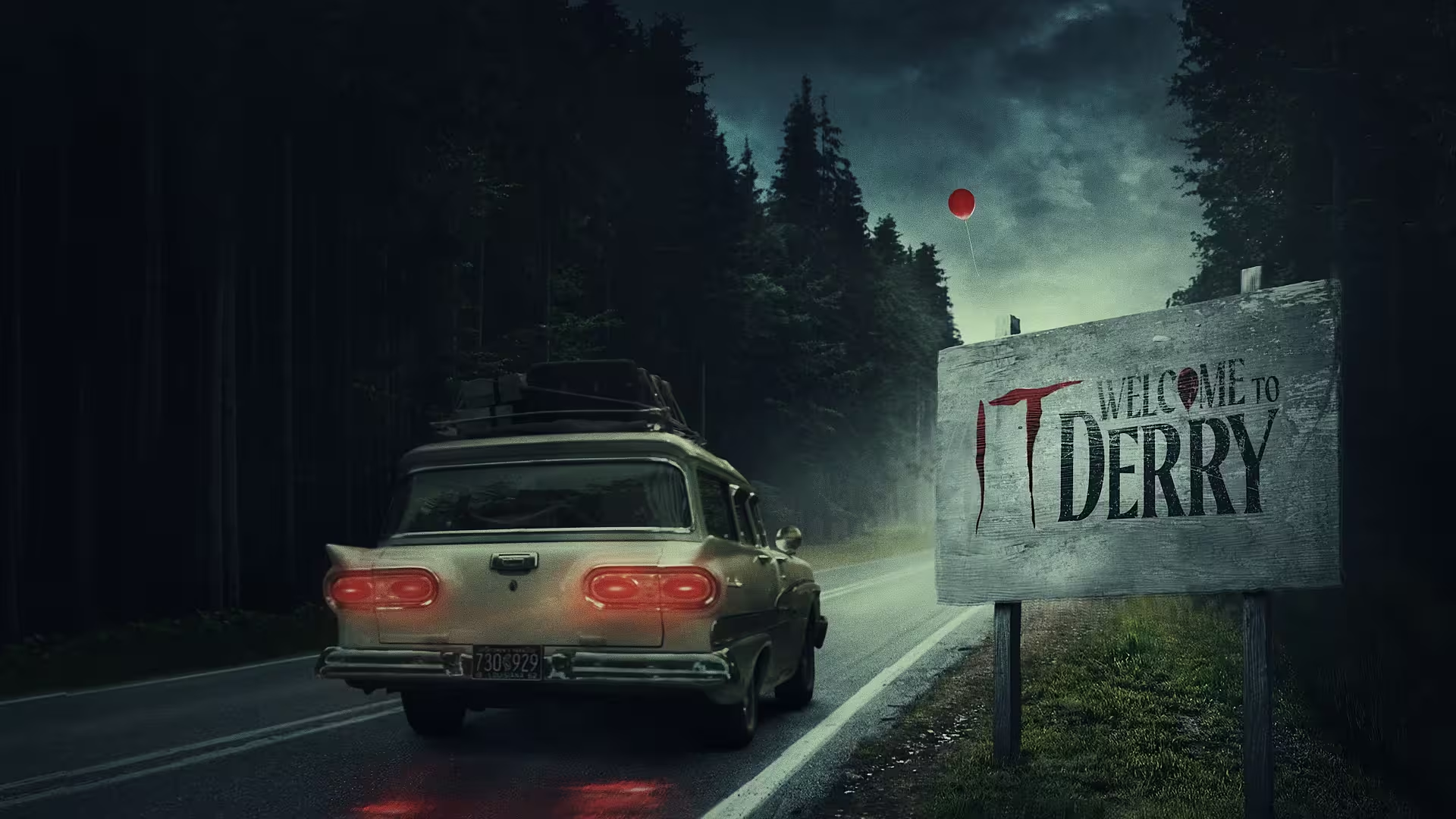
Well, the prequel series loosens some of that rating-friendly modesty and delivers a no-holds-barred gore-fest that perfectly illustrates Pennywise’s twisted grip on the citizens of Derry.
However, the first deception the series made is in its red herring of a pilot episode. The pilot starts off by following a familiar plot – a bunch of outcast kids grieving over a dead friend, murdered by Pennywise, get haunted by terrifying visions rooted in their internal fears – before pulling the rug right under you by the end.
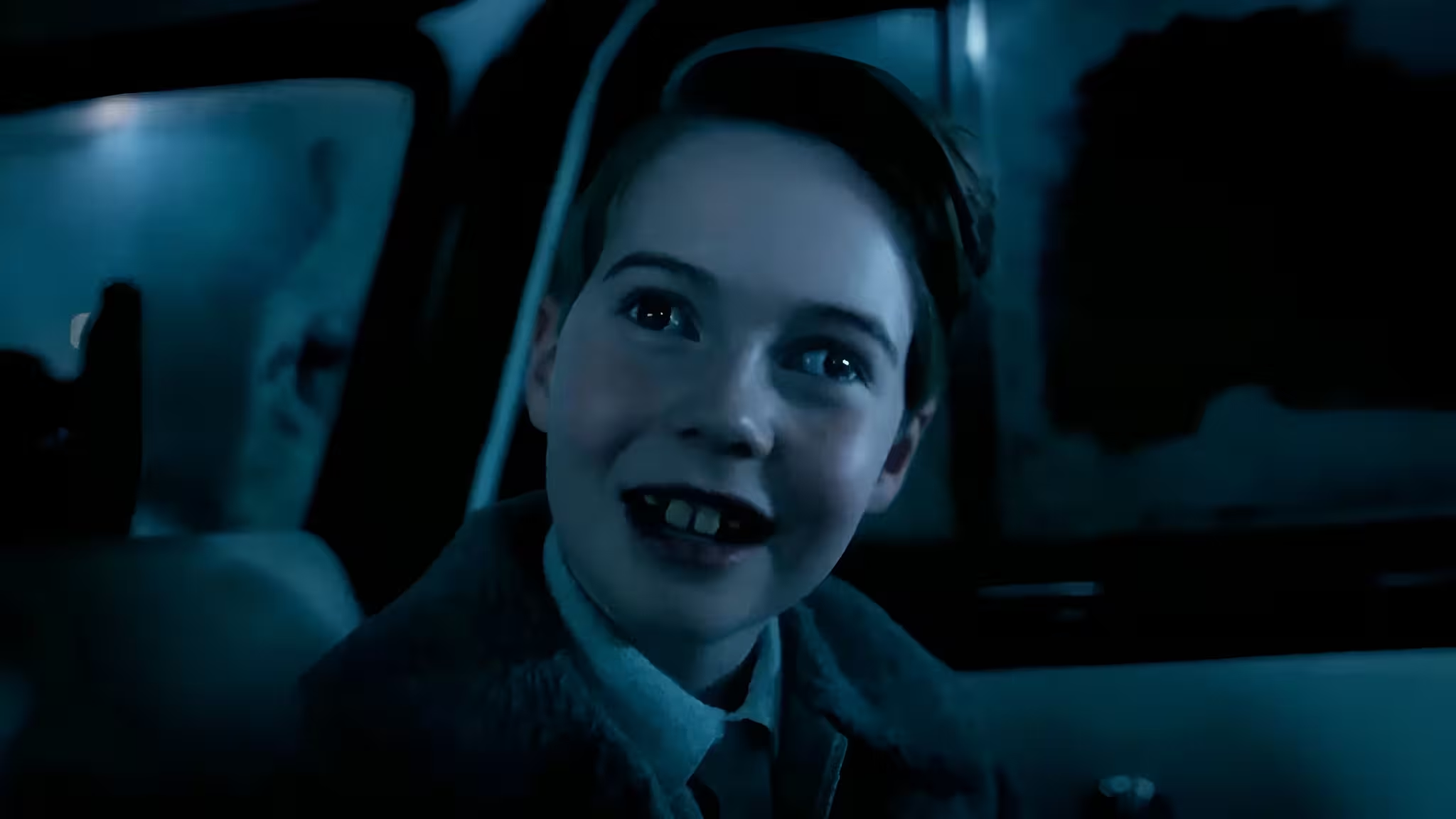
In the opening sequence, a kid hitchhikes a ride out of Derry and finds himself in the company of a seemingly nice family of four. That is, until they start behaving strangely, scaring off the boy. Long story short, the family has a devil’s spawn among them who presumably kills the boy, kicking off the main plot of the story.
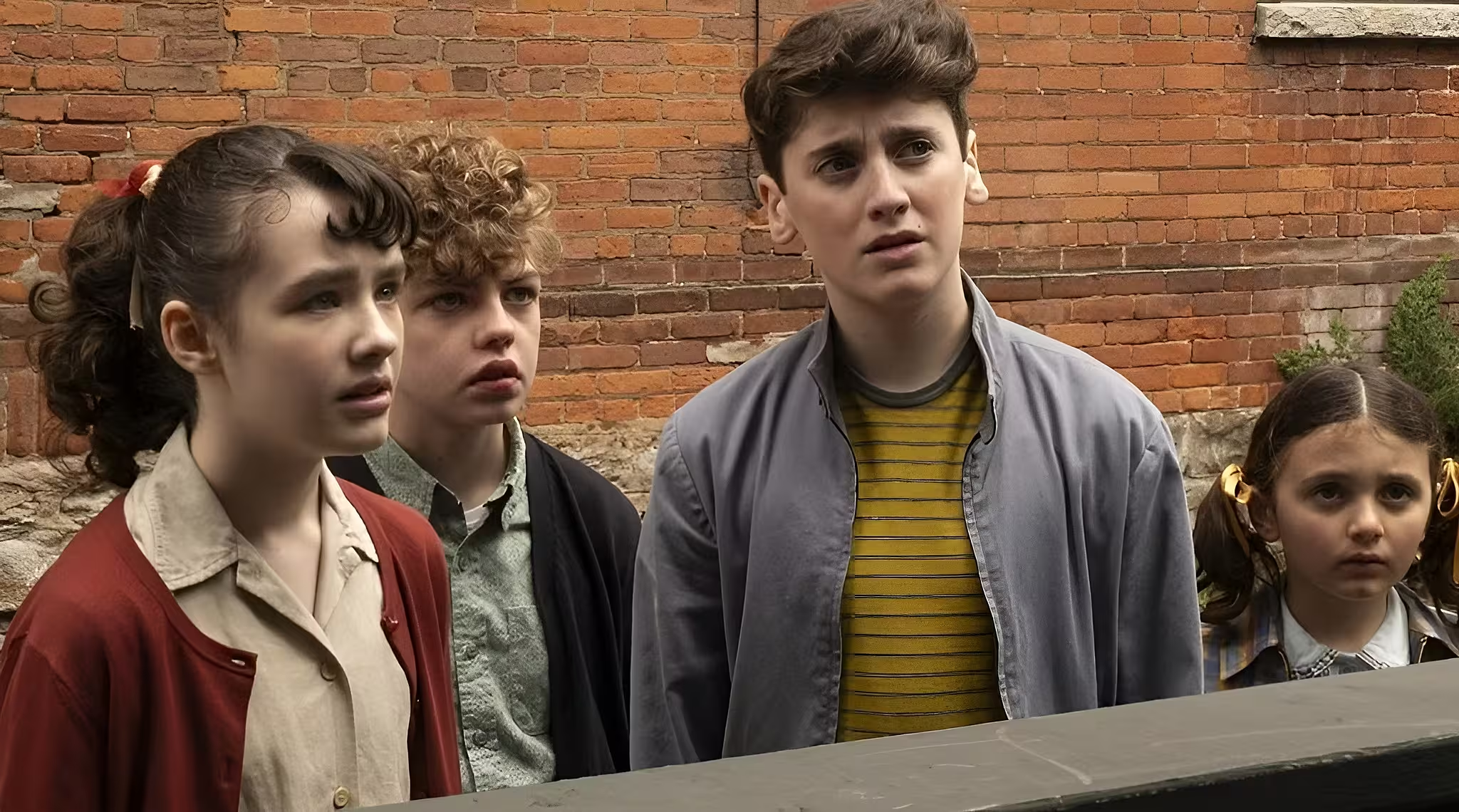
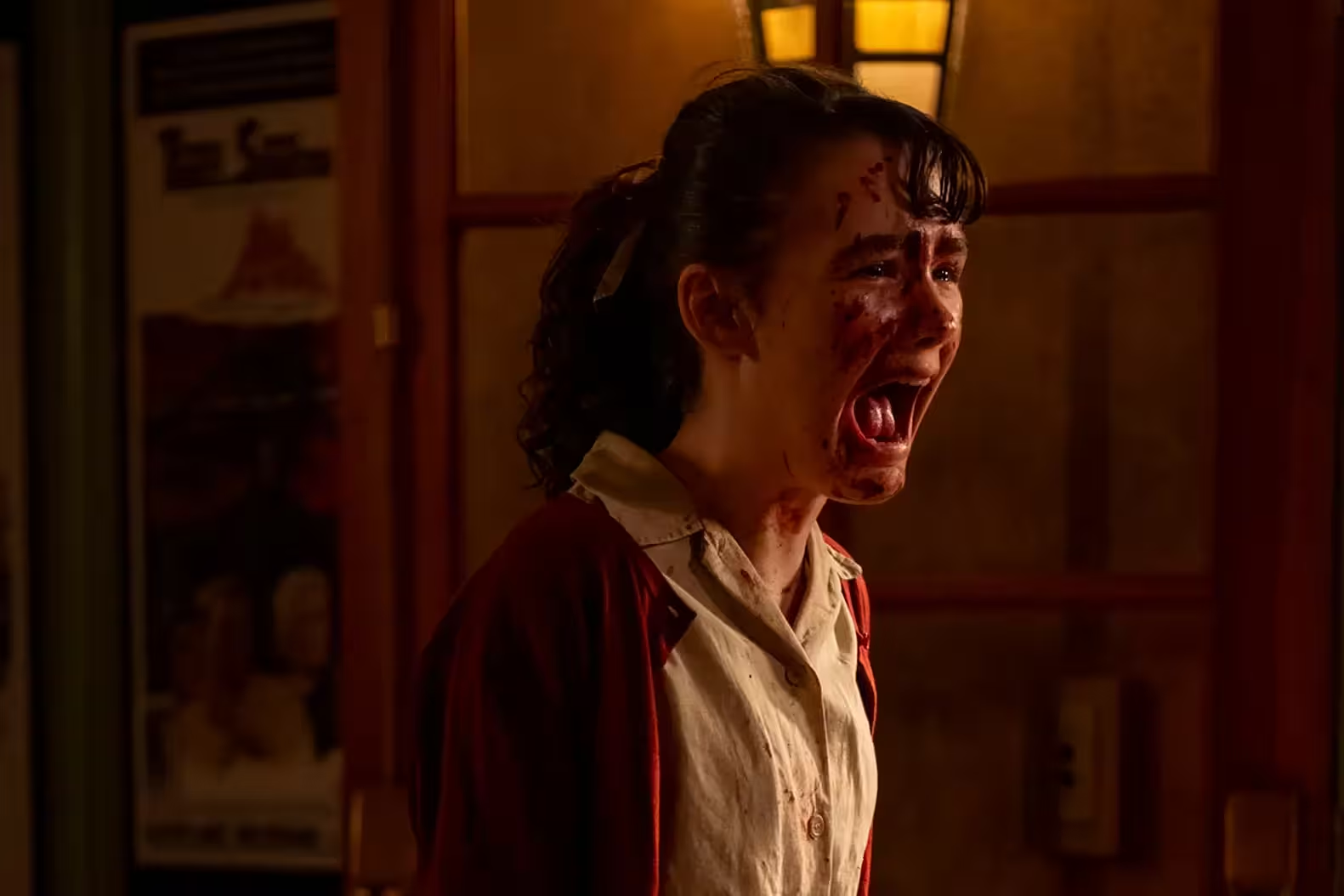
A few months later, his friends — still wracked with guilt for abandoning him — sense his presence calling them for help. Believing he is still alive, they embark on an investigation to find him. Just like the Losers Club, their search leads them to uncover the town’s sinister history and a particularly gratuitous scare at the movie theater… which led to the death of most of the kids.
Yes, you read that right. Those whom you thought to be the film’s protagonists are mostly dead by the premiere’s end. The daring decision is a smart one: it so blatantly subverts audiences' expectations of seeing similar things the films did and opens up a whole new possibilities instead. Book readers might have an idea already, but the adjacent military complex subplot in the pilot ends up being the real plot. At the center of this plot is Major Leroy Hanlon (Jevon Adepo), who’s none other than the grandfather of Mike Hanlon, one of the Losers Club. In the book, Pennywise’s 1962 reign of terror culminates in the burning of The Black Spot, a club for black service members he often patronizes, by a KKK-style "racist cult" called the White Decency. And so begins an uncharted territory of terror, violence, and hate-fueled crimes.
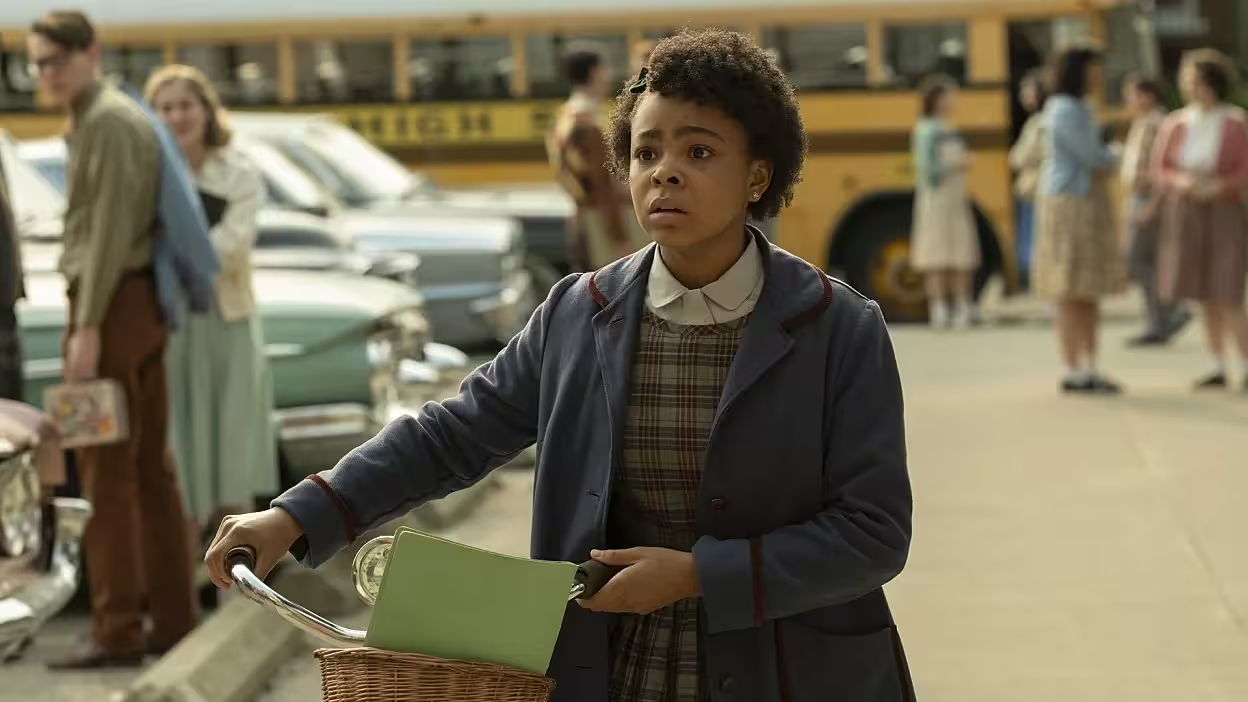
Streaming format allows the production team to double down on the striking madness that the films are known for. Building on the “trauma creates torture” conceit of the book, the series is filled with sequence after sequence of graphic and surreal horror. Beware, they are all quite (artfully) nauseating!
Fans of the book will be pleased to find the series adopting the book’s 1960s setting. The creepy 1950s-style opening title, set to “A Smile and a Ribbon” by Patience and Prudence, appears wholesome at first but actually alludes to the many cursed tragedies happening in Derry throughout the years, including tragedies taking place in 1935 and 1908, which will be portrayed in the future seasons of the show.
READ NEXT: Ranking All The Conjuring Movies
Including some alluded events that took place before the book’s timeline, watching this series is a rewarding experience for those who love the book and Stephen King’s work in general. It is loaded with tons of Easter Eggs and homages to Stephen King’s other works – mostly blink-and-miss-it details, but they add some incentives to go back and rewatch if you’re truly a diehard King aficionado. And given the sheer volume of Stephen King’s works, there are plenty of clues lurking in every corner, enough to fill hours of YouTube explainer videos.
While the plot takes an extreme detour from conventional expectations, it still bears the themes explored in the source materials. Themes of trauma and abuse being the source of Pennywise’s power remain. Derry’s racism and dysfunctional social dynamic are also pretty blatantly depicted in the series, setting the stage for the racially-motivated fire tragedy we know is coming.
Likewise, much like Beverly’s womanhood was front and center to her suffering, the perils of women figure heavily in the series – in the first two episodes alone, there are already two gruesome childbirth-related scenes. At a time when women’s reproductive rights are being attacked, this seems like a conscious decision. After all, It has always been taking everyday life sufferings as the source of its horror.
READ NEXT: Alien 5: Will Sigourney Weaver Return as Ellen Ripley?
Who Will Enjoy This
If you love the films, you’ll quite enjoy It: Welcome to Derry. Add to the fact that it reinvents the wheel just enough to give some fresh pep to the plot, most of which works. Gore aficionados will have a blast—this series dishes out wildly creative kills and blood-soaked imagery at every turn. And fans of King’s macabre horror and off-kilter supernatural lore will enjoy how aggressively it leans into his trademark style, delivering an unapologetic overload of homage. However, those who are prone to being squeamish might wanna look elsewhere, though.